One Portfolio, Four Vaults: Matching Your Crypto Custody Setup to Your Actual Life
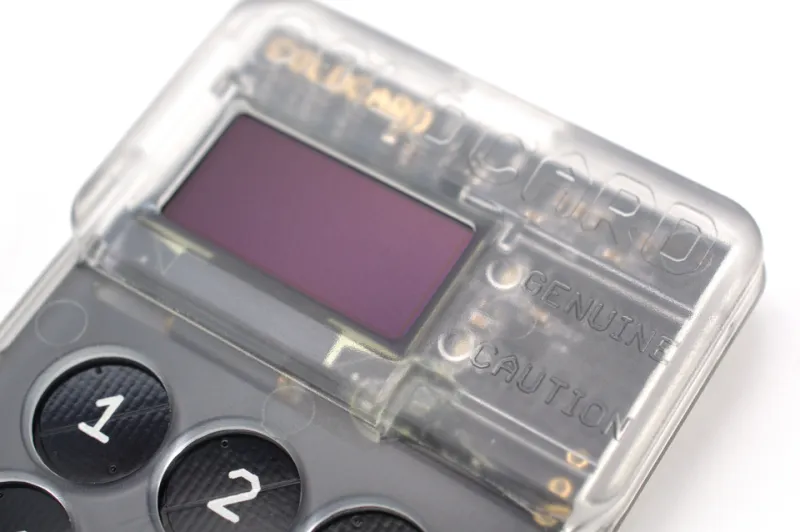
Photo: Gareth Halfacree from Bradford, UK, CC BY-SA 2.0, via Wikimedia Commons
Ask five crypto commentators where you should store your assets and you will likely hear the same answer delivered with total confidence: self-custody everything, write down a seed phrase, buy a hardware wallet. It is tidy advice, and for a portion of investors it is correct. But custody is not a doctrine. It is a decision — one that should reflect your portfolio size, your time horizon, and the practical realities of your household.
This guide walks through the four broad custody models available to US investors, then offers a framework for combining them sensibly.
The Exchange Account: Convenience With an Asterisk
Leaving assets on a centralized exchange remains the default for newcomers, and it is not unreasonable. US-regulated platforms offer familiar interfaces, straightforward tax documents, and, in some cases, insurance arrangements for custodied assets.
The asterisk matters, though. Exchange insurance typically covers losses from custodial failures or breaches, not the platform's own insolvency — a distinction that became painfully clear to customers of several failed lenders and exchanges over the past decade. Assets held on an exchange are also, in a legal sense, claims on the platform rather than property you directly control.
Exchanges work best as transactional way stations: where you buy, sell, and convert, not where you accumulate.
Hardware Wallets: Control at the Cost of Responsibility
A hardware wallet keeps private keys offline on a dedicated device, and for amounts above what you would keep in a checking account, it is the most commonly recommended middle ground. You retain direct control while keeping keys insulated from online attacks.
The trade-off is operational. You become the custodian of record: the device, the recovery phrase, the PIN, and the plan for what happens if the device is lost or you are unavailable. A hardware wallet without a documented, rehearsed recovery process is a single point of failure wearing the costume of security.
Cold Storage and Multisig: For Serious Sums
For substantial holdings, serious practitioners move beyond a single hardware device. Cold storage — keys generated and kept on machines that never touch the internet — and multisignature arrangements, which require multiple keys to authorize a transaction, dramatically reduce the chance that any one mistake or compromise destroys your holdings.
The costs are complexity and friction. Multisig setups demand genuine technical understanding, and recovering funds without the proper documentation can be impossible. This tier suits investors with meaningful capital who are willing to treat custody as an ongoing discipline rather than a one-time purchase.
Trusts and Estate Structures: The Overlooked Layer
The least discussed custody option is the legal one. A properly drafted trust can hold digital assets, and a trustee or successor trustee can be given a documented path to access. For US families, this matters enormously: without a legal structure and clear instructions, digital assets can become effectively unrecoverable for heirs, regardless of intent.
This is not a DIY project. It requires an attorney familiar with digital assets and coordination between your legal documents and your technical setup.
A Decision Framework
Rather than a single rule, match custody to three variables:
Portfolio size. Amounts you might spend or trade this year can reasonably live on an exchange. Core holdings you do not intend to touch belong in self-custody or cold storage. Very large holdings justify multisig and professional legal structuring.
Holding horizon. Active traders need liquidity and speed; long-term holders need durability and redundancy. The longer your horizon, the more your custody should be optimized against decade-scale risks — lost devices, forgotten credentials, changed addresses.
Household complexity. If a spouse or children would need access in an emergency, your custody must include documented recovery procedures, legal authority, and at least one trusted person who knows the plan exists. A brilliant cold storage setup that dies with you is not security; it is a donation to the network's unspendable supply.
Most investors eventually land on a layered approach: an exchange account for trading, a hardware wallet for core holdings, and a legal and documentation layer that ties it all together for the people who may one day need it.
Custody regret almost always comes from copying someone else's setup instead of designing your own. Start with your life, then choose the vault.